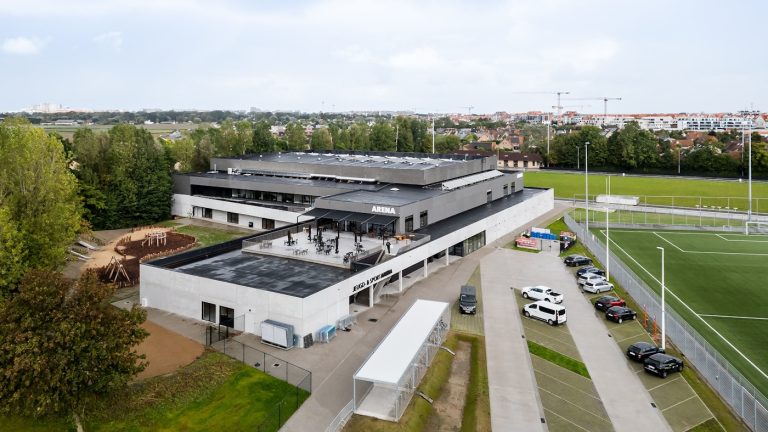
Nearly half of school buildings pre-date 1970
Flemish schools collectively cover some 19 million square meters, according to the School Buildings Monitor, a five-yearly report that maps the state of school infrastructure. Although the patrimony is still significantly outdated, the proportion of old buildings is gradually decreasing: almost half (47%) of schools date from before 1970, while 16% of schools were built in the last decade.
Previous efforts by successive education ministers to address aging infrastructure brought additional investment, but the need remains high. At the Agency for Infrastructure in Education (Agion), which prepared the monitor, some 2,034 schools were registered for subsidies for construction or renovation projects, worth nearly €4.5 billion, as of Jan. 1, 2024. This does not include Community Education (GO!) schools because they receive subsidies in a different way.
Minister Demir states that the next few years will see the largest wave of investment ever . According to her cabinet, the annual budget will rise from 571 million euros in 2025 to 750 million euros in 2029, totaling about 3.2 billion euros in renovation, new construction and additional capacity.
“We are not starting from scratch. But the backlog in school infrastructure is huge: waiting lists, old buildings, energy waste,” Demir informed. Extra investment is also being made in additional places and adapted infrastructure.
The next few years will see the biggest investment wave ever. We are not starting from scratch. But the backlog in school infrastructure is huge: waiting lists, old buildings, energy waste
Zuhal Demir (N-VA), minister of education
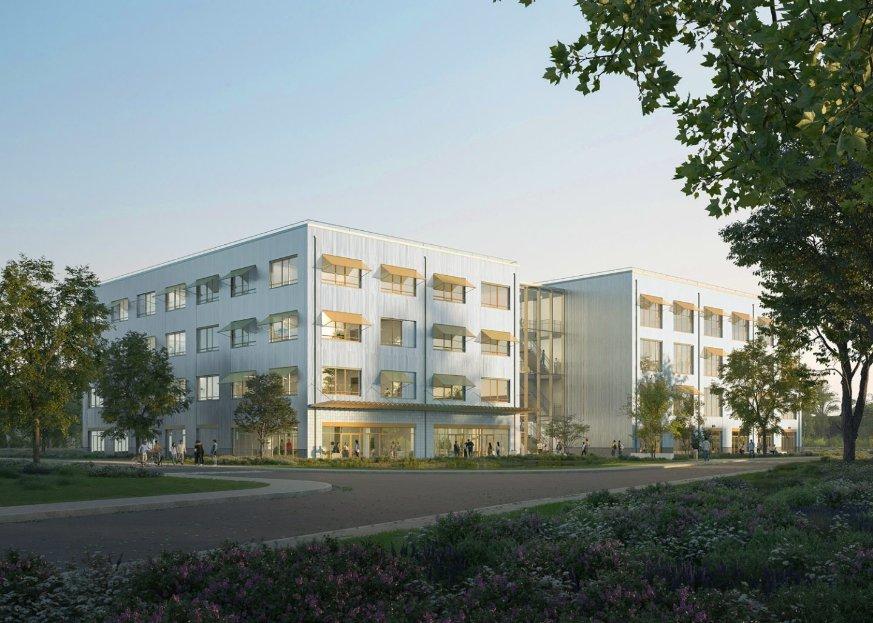
25% of classrooms are overcrowded
Lack of space remains a concern: in a quarter of school buildings, classrooms are overcrowded, although this is two percent less than in the previous measurement (2018-2019). In 58% of buildings, classrooms are occupied according to capacity.
The monitor also examined what facilities are lacking: nearly a third of the sites do not have a refectory and almost half do not have a gymnasium. Outdoor paved playgrounds are most common (three-quarters of schools), while only half have a green or unpaved play area.
18% of buildings are seen as having inadequate fire safety and 42% have inadequate burglary protection.
Unsatisfactory results for (fire) safety and hygiene
In 84% of schools, principals rate overall security as “good. At the same time, there are areas of concern: in 18% of buildings, fire safety is considered inadequate and 42% have inadequate burglary protection. In one in ten buildings there is a risk of instability or collapse.
There are also differences between education networks. Schools in free education and in urban, municipal or provincial education are more likely to report that their buildings are safe and in good technical condition, such as heating and electricity.

‘Open Schools’ decree does its job: more schools open their doors to third parties
In two-thirds of schools, rooms are used outside of regular classroom hours, up 5% from five years ago. Half of the schools make their premises available at least 13 hours a week to other activities, such as sports and senior citizen associations. The government has been encouraging this type of use of school infrastructure for years.
Asbestos has no place in an environment where children play and learn every day. That’s why from the entry into force of the new decree, we will reimburse 100 percent of the cost of asbestos removal. Not 60, not 70, but all .
Zuhal Demir (N-VA), minister of education
Asbestos disappears, lead pipes are replaced
About three in 10 schools still have lead pipes. Water containing lead can be harmful to the nervous system, so a quarter of schools have plans to replace these pipes. Asbestos is present in about six in 10 schools. A decree was recently approved in the Education Committee of the Flemish Parliament that will fully reimburse the removal of asbestos. More and more schools are submitting files to remove asbestos, Minister Demir stressed.
Conclusion
A positive signal from the current government to build on the efforts of previous governments and release a record budget for investment in a sector that desperately needs it.